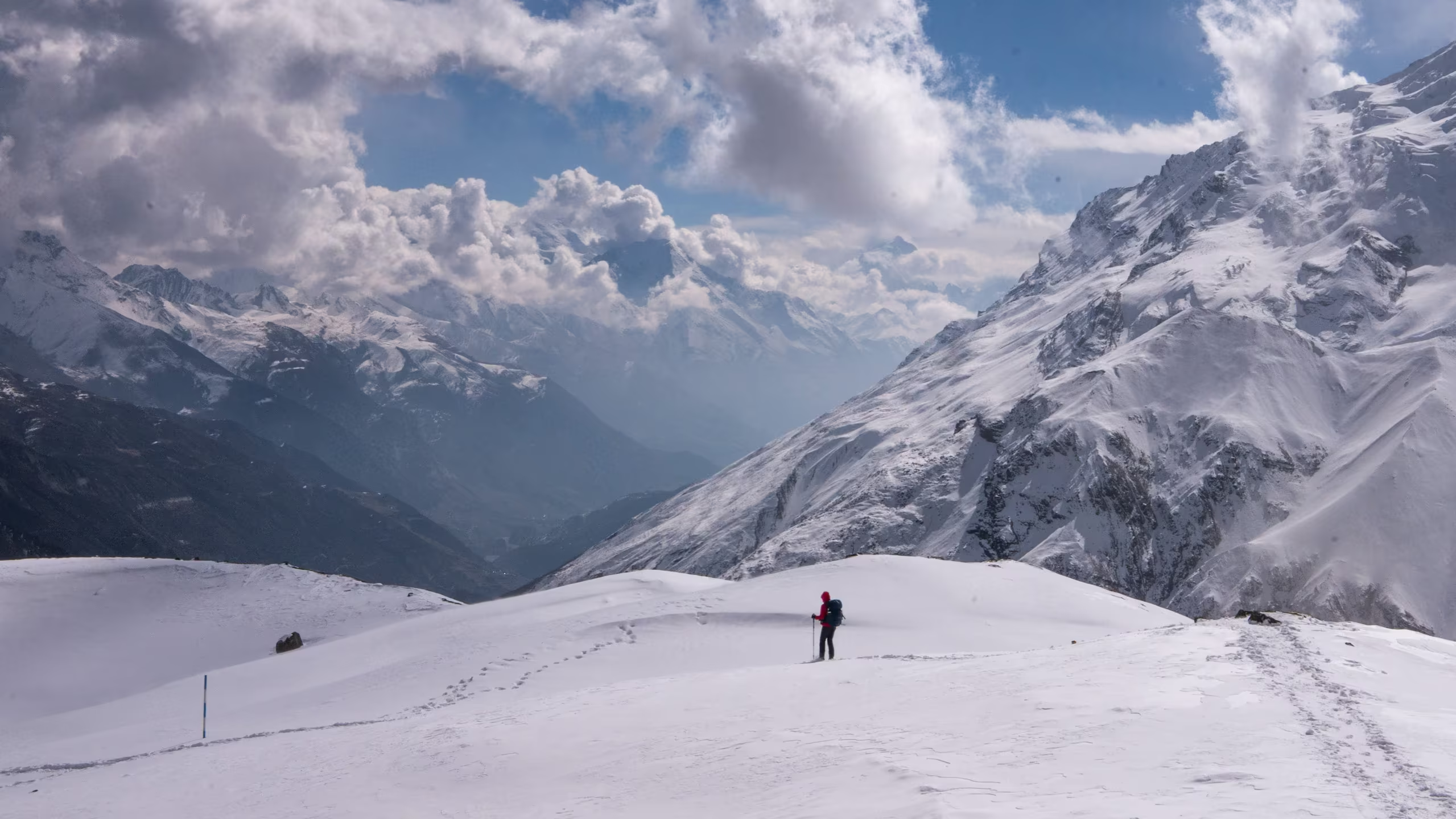
Mountain Expeditions
Mera Peak Climbing
Your first real Himalayan summit — a 6,476 m trekking peak with glacier travel and a horizon of five 8,000-meter giants.
- Duration
- 16–22 days
- Difficulty
- Strenuous
- Best season
- Apr–May & Oct–Nov
- Starts
- Kathmandu
- Ends
- Kathmandu
- Best for
- Fit trekkers, First-time Himalayan climbers, Adventure travelers ready for a bigger challenge
Overview
Mera Peak (6,476 m) is Nepal's highest trekking peak and the classic step up from trekking into mountaineering. The route approaches through the quiet Hinku valley, builds altitude slowly, and finishes with a glacier climb to a summit panorama that includes Everest, Lhotse, Makalu, Cho Oyu, and Kanchenjunga.
The climbing is technically straightforward — fixed lines on the steep final section, crampons and rope on the glacier — but this is a genuine high-altitude expedition, not a walk. You camp at high camp, move before dawn, and earn the view.
Why This Trip Works
Mera feels serious and high-altitude without being an 8,000-meter expedition: the strongest possible introduction to Himalayan climbing.
The long approach through the Hinku valley is itself a beautiful, remote trek that doubles as ideal acclimatization.
Our climbing Sherpas run the rope work, fixed lines, and summit-day pacing, and a full pre-climb skills session at base camp covers crampons, ice axe, and jumar before you need them.
Highlights
- Summiting a 6,476 m Himalayan peak
- Glacier travel with full climbing support
- Summit views of five of the world's six highest mountains
- The remote, forested Hinku valley approach
- Camping high above the clouds at 5,800 m
- A pre-climb skills training day at base camp
Suggested Itinerary
Day 1–2
Kathmandu: briefing and preparation
Gear checks, permits, and a fitting session for climbing equipment.
Day 3
Fly to Lukla, trek south to Paiya
Leave the Everest highway immediately for quieter trails.
Day 4–8
Trek through the Hinku valley
Forest ridges, yak pastures, and gradual altitude gain via Pangkongma and Kothe.
Day 9–10
Thangnak and Khare
Reach the climbing base at 5,045 m with an acclimatization day built in.
Day 11
Skills training at Khare
Crampon, ice axe, rope, and jumar practice with the climbing team.
Day 12
Climb to Mera High Camp (5,800 m)
Cross the glacier and sleep above the clouds.
Day 13
Summit day (6,476 m), descend to Khare
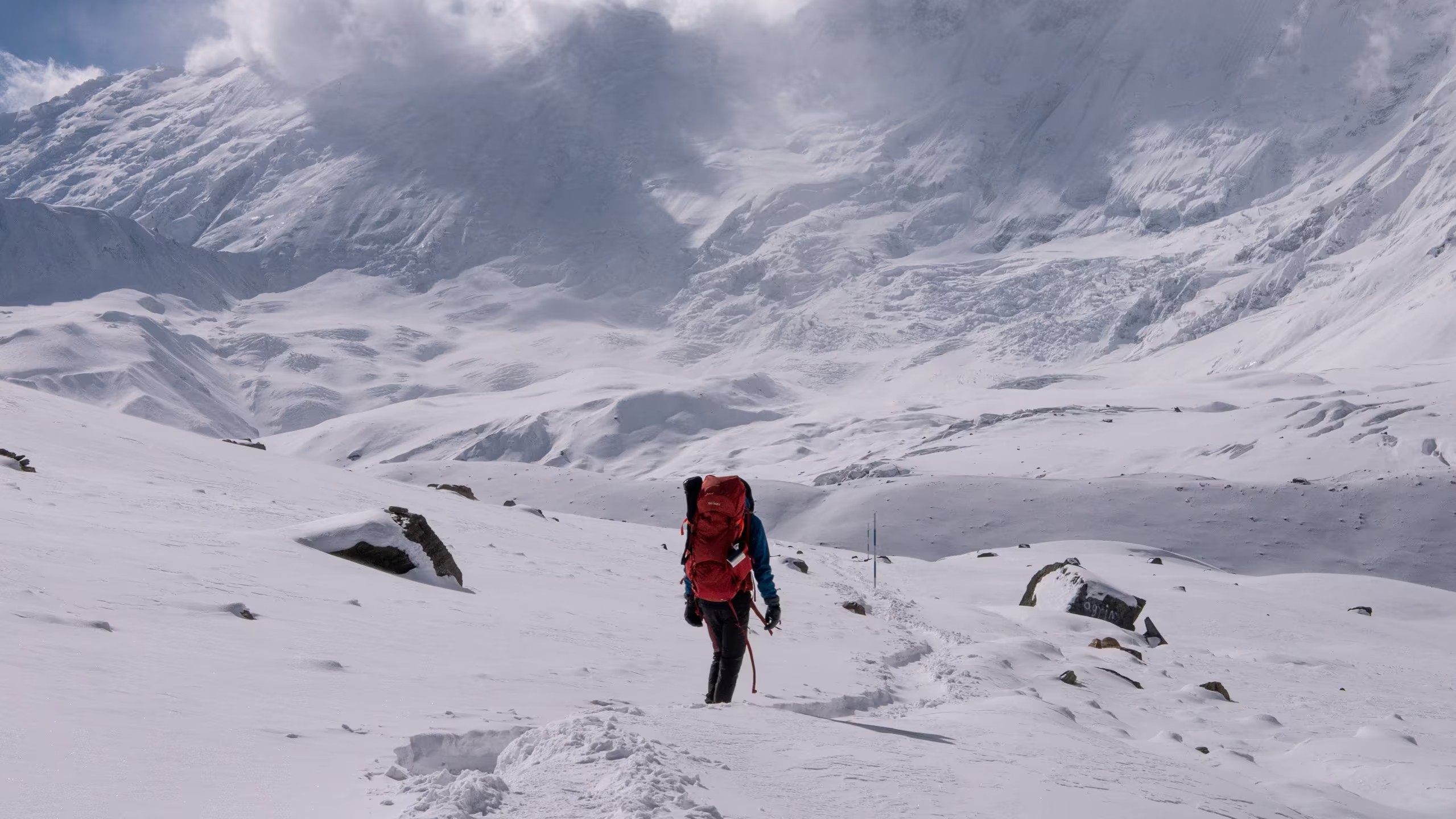
A pre-dawn start, steady glacier climbing, fixed lines to the summit ridge — then the view of a lifetime.
Day 14
Contingency day
Built-in weather buffer for the summit window.
Day 15–18
Trek out and fly to Kathmandu
Retrace the Hinku valley to Lukla and celebrate in Kathmandu.
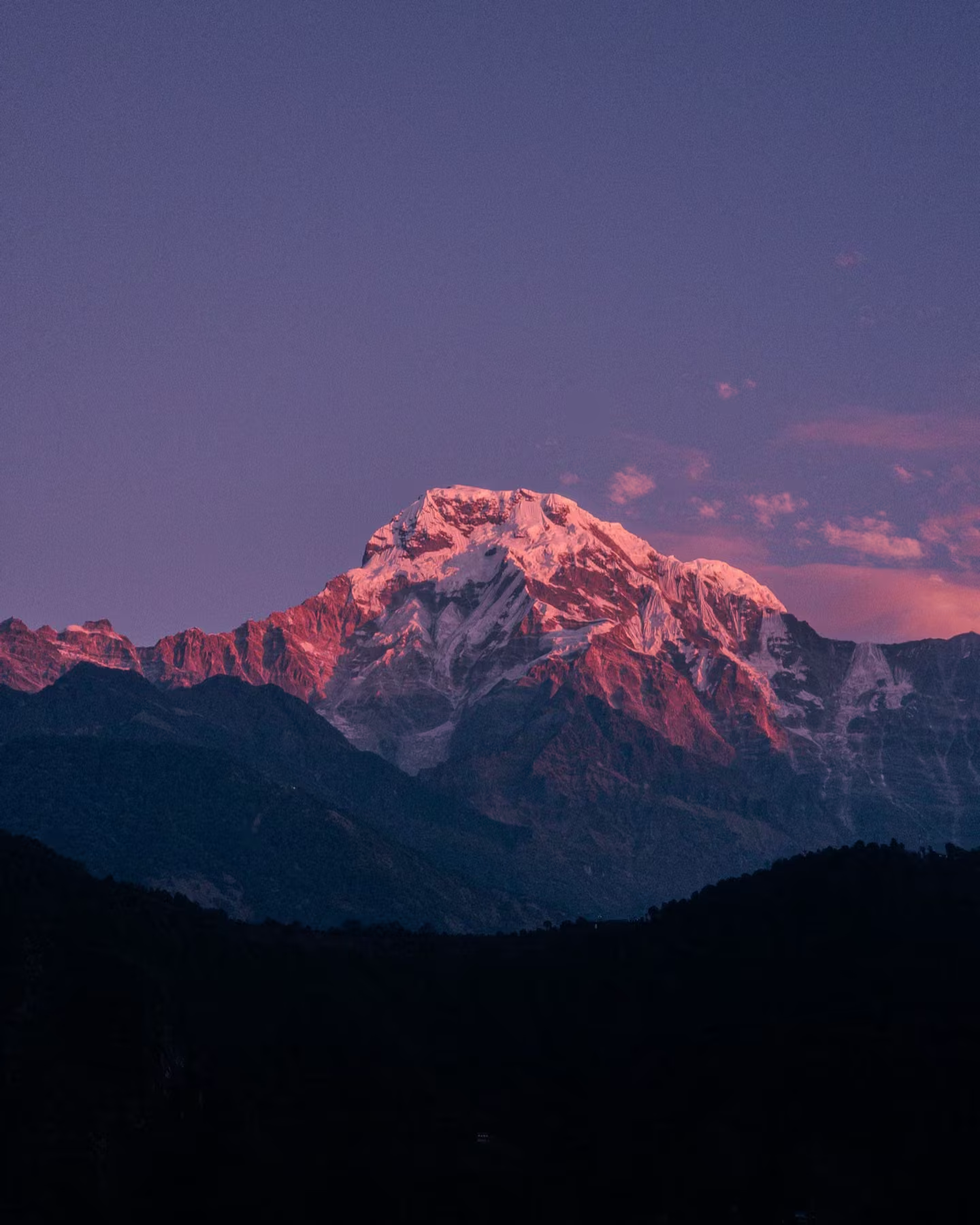
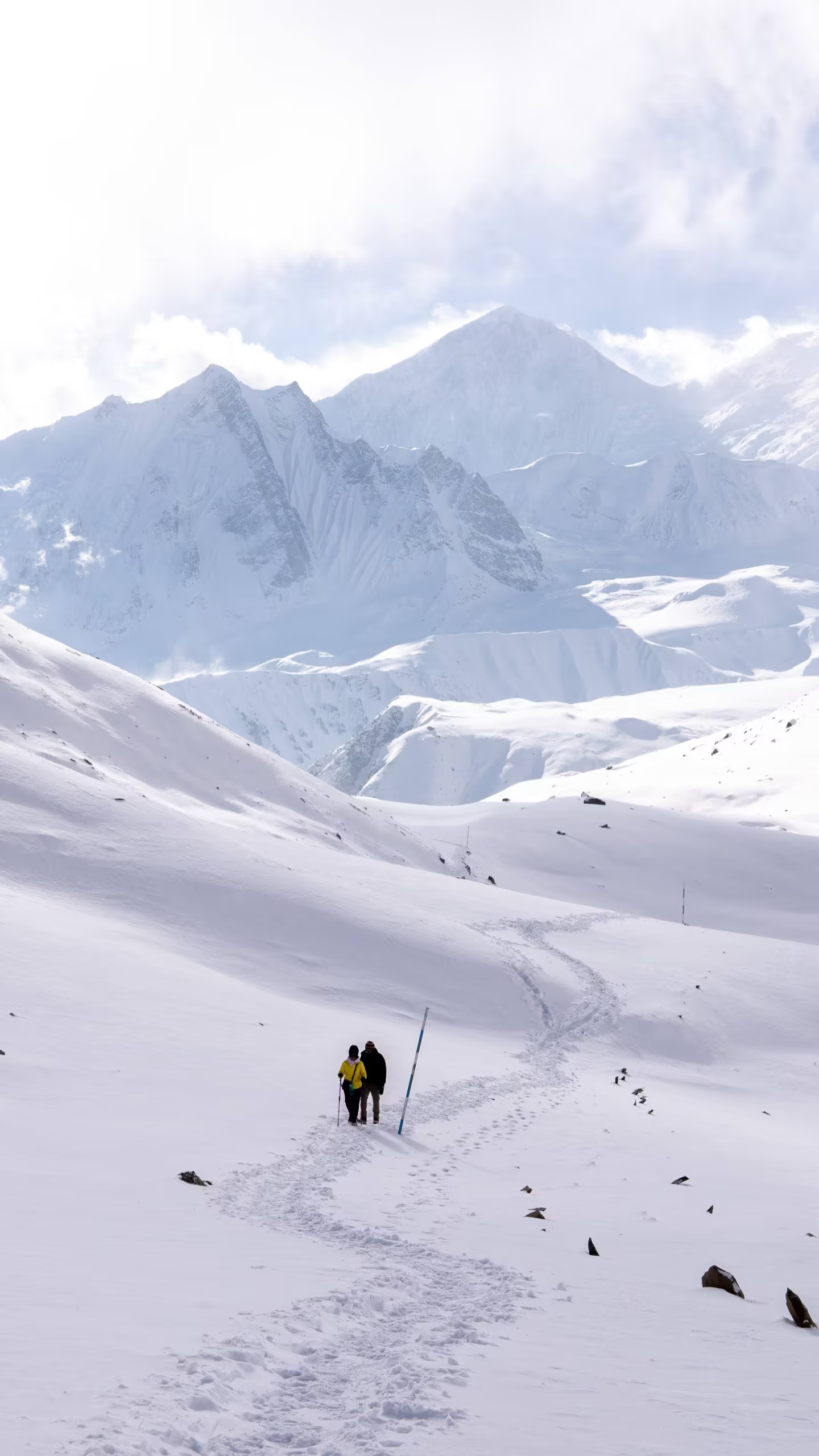
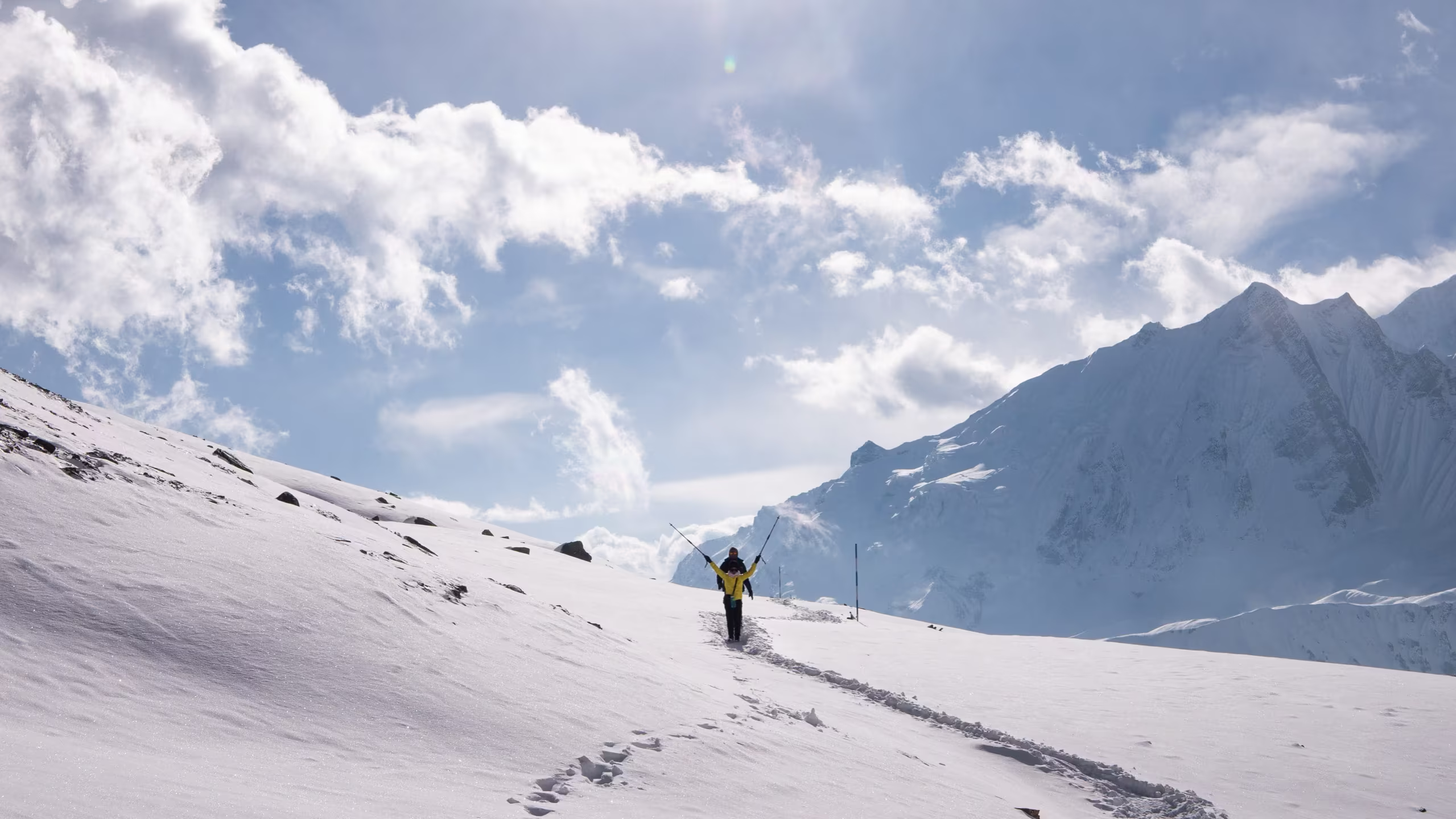
In Photos
Who This Trip Is Best For
- Fit trekkers
- First-time Himalayan climbers
- Adventure travelers ready for a bigger challenge
Difficulty & Preparation
This is a strenuous expedition: long trekking days, glacier travel, camping at altitude, and an 8–12 hour summit day starting around 2 a.m.
No previous climbing experience is required, but solid multi-day trekking experience is. The technical skills are taught at base camp; the fitness cannot be.
Train for four to six months: sustained cardio, weighted hill walking, and leg strength. Arrive fitter than you think you need to be.
Full climbing equipment (boots, crampons, harness, ice axe) can be rented in Kathmandu or Khare — we arrange sizing and quality checks.
Best Season
- Late spring (April–May): the main climbing window, with stable snow and warmer summit nights.
- Autumn (October–November): the second window — colder, with famously clear views.
- Winter and monsoon: not offered; summit conditions are dangerous or hidden.
Customization Options
- Private expedition or join a scheduled climbing group
- Extra acclimatization days for a safer summit window
- Combine with Island Peak for a two-summit expedition
- Helicopter return from Khare to shorten the trek out
- Add Kathmandu heritage days before or after the climb
What's Included
- Airport transfers in Kathmandu
- Round-trip Kathmandu–Lukla flights
- Mera Peak climbing permit, national park permits, and TIMS
- Licensed climbing Sherpa guide and support crew
- Group climbing equipment: ropes, fixed lines, and safety gear
- Teahouse lodging on the approach; full camping setup at high camp
- All meals on the trek and climb
- Pre-climb skills training at base camp
- 24/7 local support throughout the expedition
What's Not Included
- International flights to and from Nepal
- Nepal entry visa
- Travel insurance with high-altitude and helicopter-evacuation cover (required)
- Personal climbing gear (rentable in Kathmandu or Khare)
- Kathmandu hotel and meals before/after the expedition
- Personal expenses, drinks, and tips
Frequently asked questions
Do I need mountaineering experience?
No — Mera is a first summit for most of our climbers. You do need genuine trekking experience, strong fitness, and the patience to acclimatize properly. The rope and crampon skills are taught at base camp.
How cold does summit day get?
Expect well below −15 °C with wind before sunrise. Quality insulated boots, mitts, and a down jacket are non-negotiable; we review every climber's kit in Kathmandu.
What happens if weather blocks the summit window?
The itinerary carries a built-in contingency day, and your climbing Sherpa makes the final call. Safety outranks the summit — every season, the mountain decides.