Heritage & Culture Tours
Lumbini Heritage Tour
Walk the garden where the Buddha was born — a UNESCO World Heritage site of ancient ruins, monasteries, and quiet reflection.
- Duration
- 1–3 days
- Difficulty
- Easy
- Best season
- Oct–Mar
- Starts
- Lumbini (Bhairahawa)
- Ends
- Lumbini (Bhairahawa)
- Best for
- Buddhist travelers, Spiritual travelers, Educational and family groups
Overview
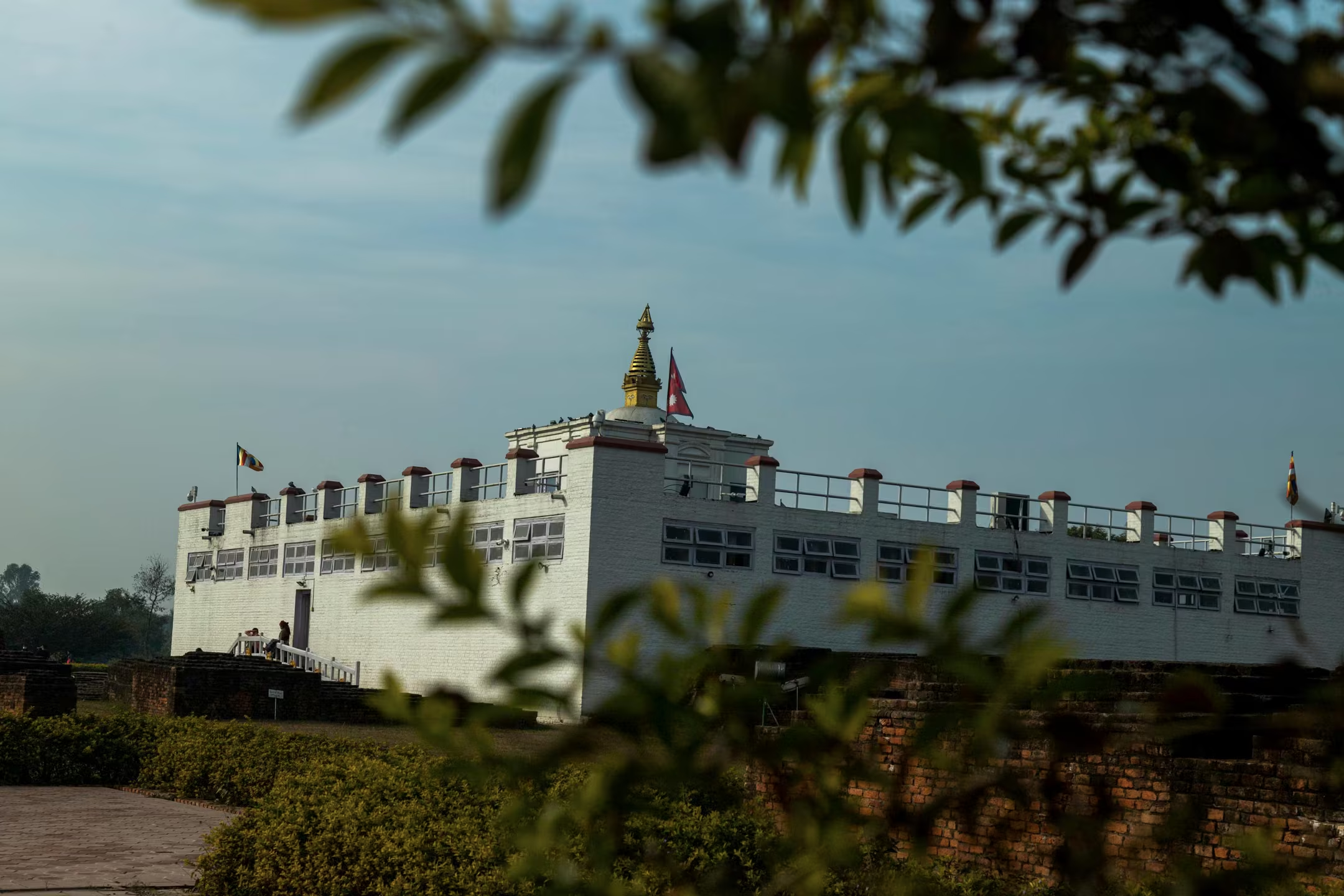
Lumbini is one of the world's most important spiritual sites: the documented birthplace of Siddhartha Gautama, marked by the Maya Devi Temple, a pillar erected by Emperor Ashoka in 249 BC, and excavated ruins reaching back three millennia.
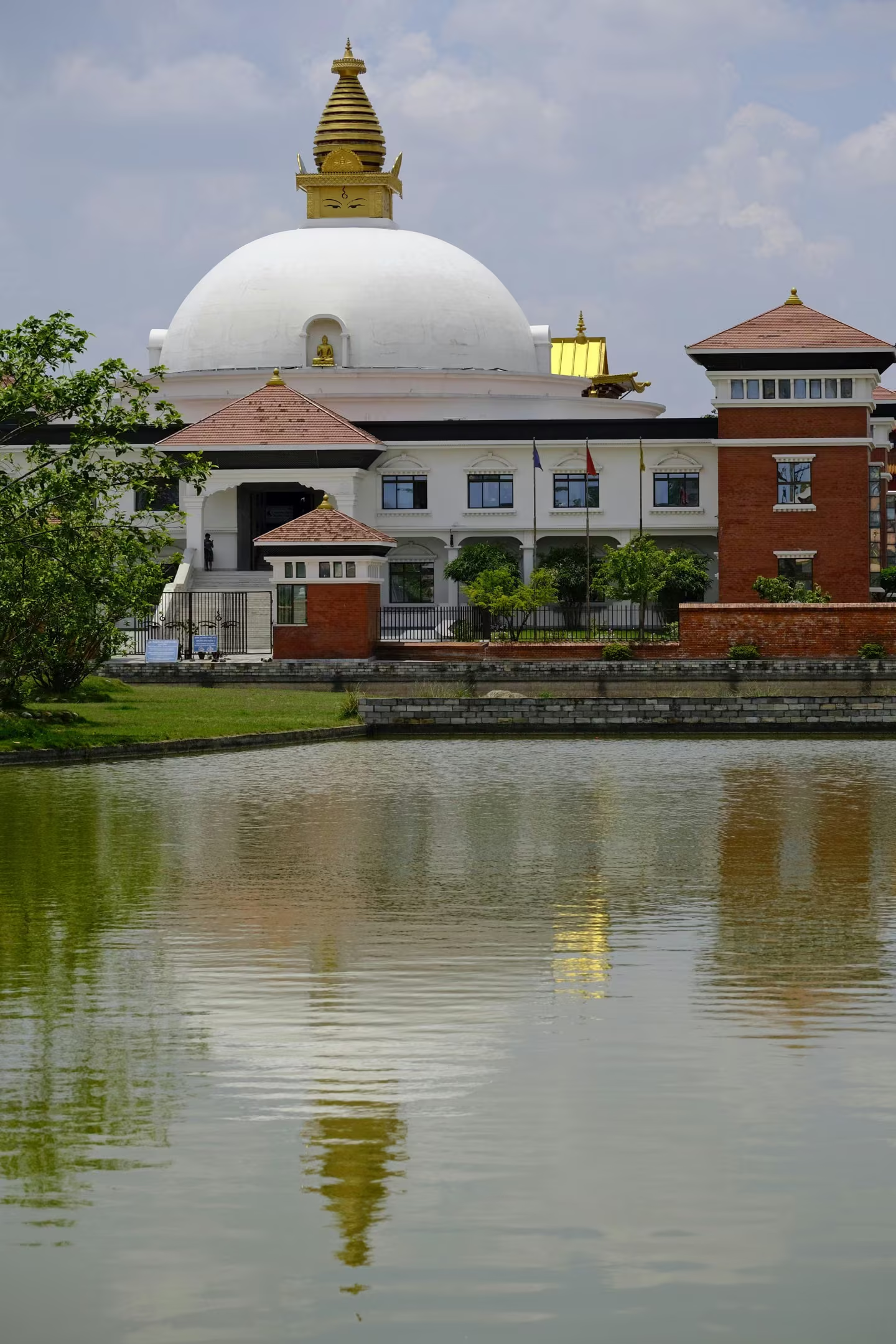
Around the Sacred Garden, dozens of countries have built monasteries in their own traditions — a living architectural map of the Buddhist world that you explore on foot, by bicycle, or by rickshaw along the central canal.
Why This Trip Works
The historical weight is real and visible: the Marker Stone, the Ashoka Pillar's inscription, and brick foundations from centuries before the Common Era.
The Monastic Zone turns one site into a world tour — Thai, Burmese, German, Chinese, Vietnamese, and Korean monasteries each built in their national style.
It is flat, calm, and easy: a heritage visit that suits every age and pairs naturally with Chitwan or the Kathmandu valley.
Highlights
- The Maya Devi Temple and the exact birthplace Marker Stone
- The Ashoka Pillar and its 3rd-century BC inscription
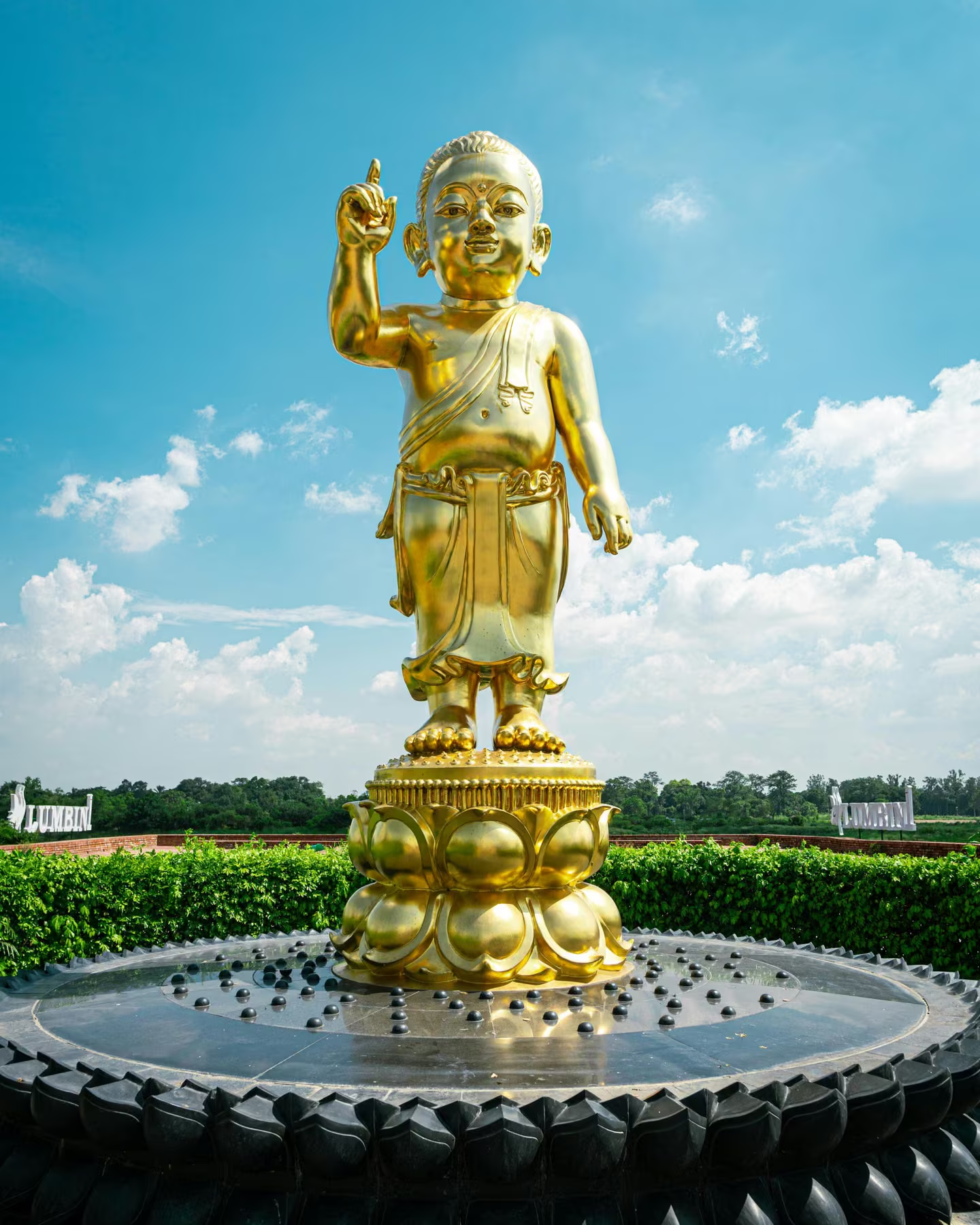
- The Sacred Garden and Puskarini pond
- The international Monastic Zone
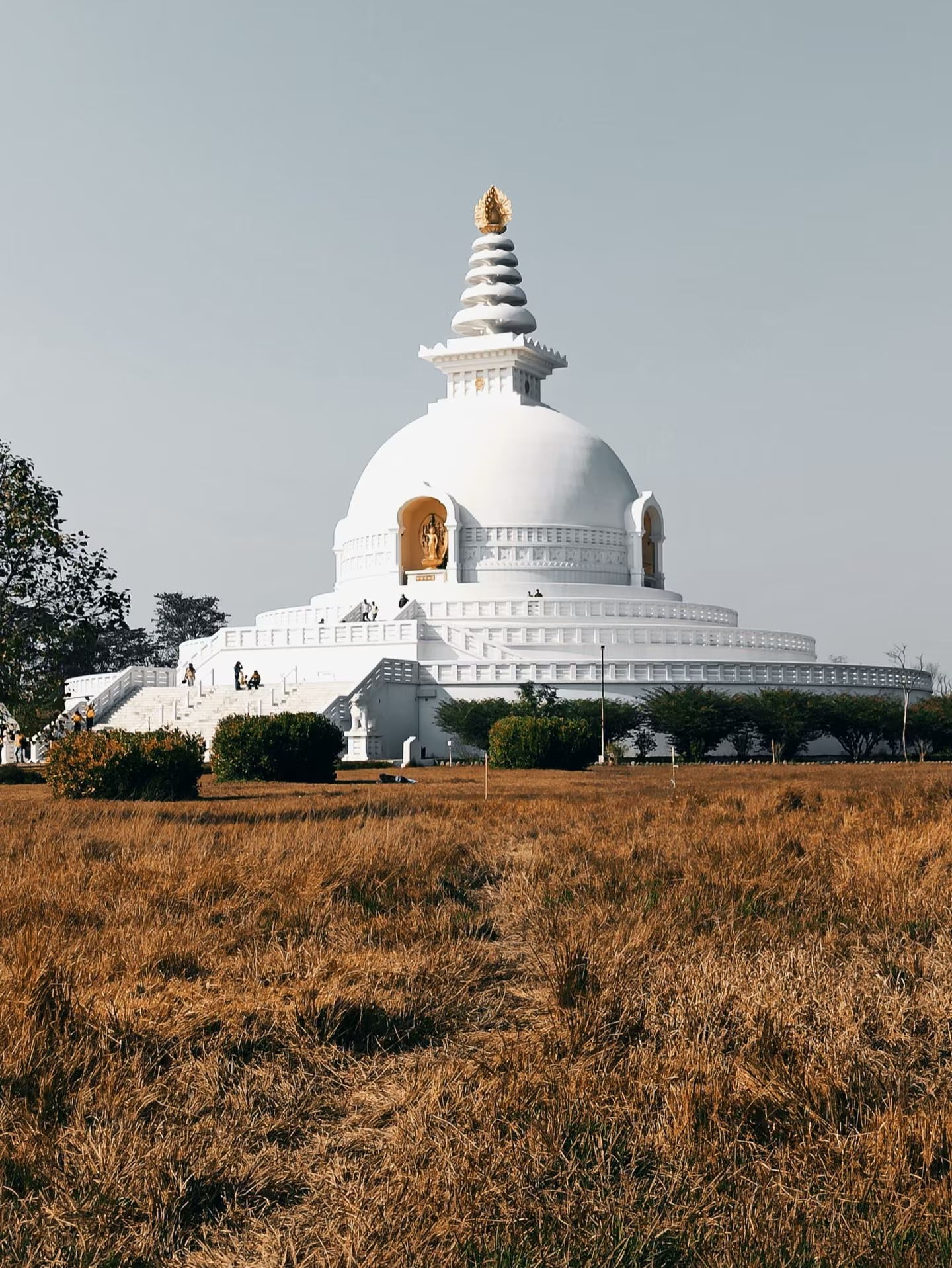
- The World Peace Pagoda at the canal's end
- Museums and active archaeological sites
Suggested Itinerary
Day 1
The Sacred Garden
Maya Devi Temple, the Marker Stone, Ashoka Pillar, and Puskarini pond, ending with prayers at dusk.
Day 2
The Monastic Zone by bicycle or rickshaw
Ride the canal route between the East and West monastic zones to the Peace Pagoda.
Day 3
Museums & nearby archaeology
The Lumbini Museum, then optional trips to Tilaurakot (ancient Kapilavastu) or Ramagrama stupa.
In Photos
Who This Trip Is Best For
- Buddhist travelers
- Spiritual travelers
- Educational and family groups
Difficulty & Preparation
Entirely flat and easy: gentle walking, with bicycles and rickshaws available for the longer Monastic Zone distances.
The Terai plain is hot in late spring and summer — mornings and late afternoons are the comfortable touring hours.
Modest dress is expected at the temples; shoes come off at the Maya Devi Temple itself.
Best Season
- October–March: warm days, cool evenings — the ideal window.
- April–June: very hot on the plains; we plan early-morning visits.
- Monsoon (June–September): lush and quiet between showers.
Customization Options
- Single-day visit for tight itineraries
- Combine with Chitwan National Park (2–3 hours away)
- Add Tilaurakot and the greater Kapilavastu archaeological sites
- Fly or drive options from Kathmandu and Pokhara
- Extend into a full Buddhist pilgrimage itinerary
What's Included
- Airport (Bhairahawa) or hotel pickup and ground transport
- Licensed, English-speaking guide
- All entry fees within the Lumbini Development Zone
- Bicycle or rickshaw hire for the Monastic Zone
- 24/7 local support during your stay
What's Not Included
- Transport to Lumbini (we can arrange flights or private drives)
- Accommodation (we can arrange every budget)
- Travel insurance
- Personal expenses, drinks, and tips
Frequently asked questions
How do I reach Lumbini?
Fly 35 minutes from Kathmandu to Bhairahawa and drive 30 minutes, or come overland — about 5 hours from Pokhara and 2–3 from Chitwan. We arrange every leg.
Is Lumbini only for Buddhists?
Not at all. It is a UNESCO World Heritage site of genuine archaeological importance, and most visitors — of any faith or none — find the Sacred Garden quietly moving.
Is one day enough?
One focused day covers the Sacred Garden and a first look at the monasteries. Staying overnight lets you experience dawn and dusk prayers, when the site is at its most atmospheric.