Adventure Tours
Paragliding in Pokhara
Launch from Sarangkot and float over Phewa Lake with the Annapurnas on the horizon — no experience needed, just a half-day and a little nerve.
- Duration
- Half day
- Difficulty
- Easy
- Best season
- Oct–Apr
- Starts
- Pokhara
- Ends
- Pokhara
- Best for
- First-time adventure travelers, Couples, Group trips, Photography lovers, Workcation guests
Overview
Pokhara is one of the world's top five paragliding sites: dependable thermals, a dramatic launch hill at Sarangkot, a lake to land beside, and the Annapurna range filling the horizon the whole way down.
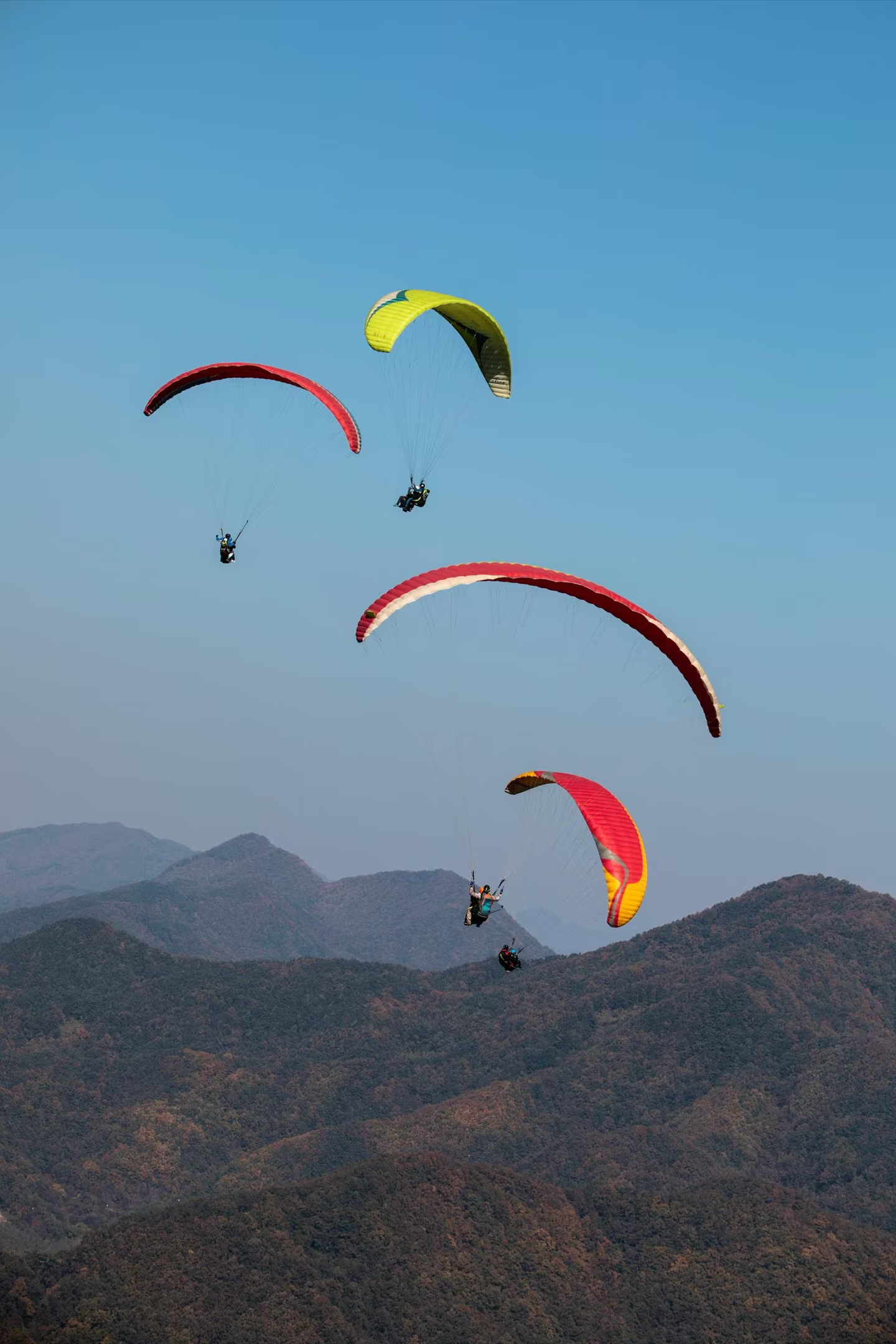
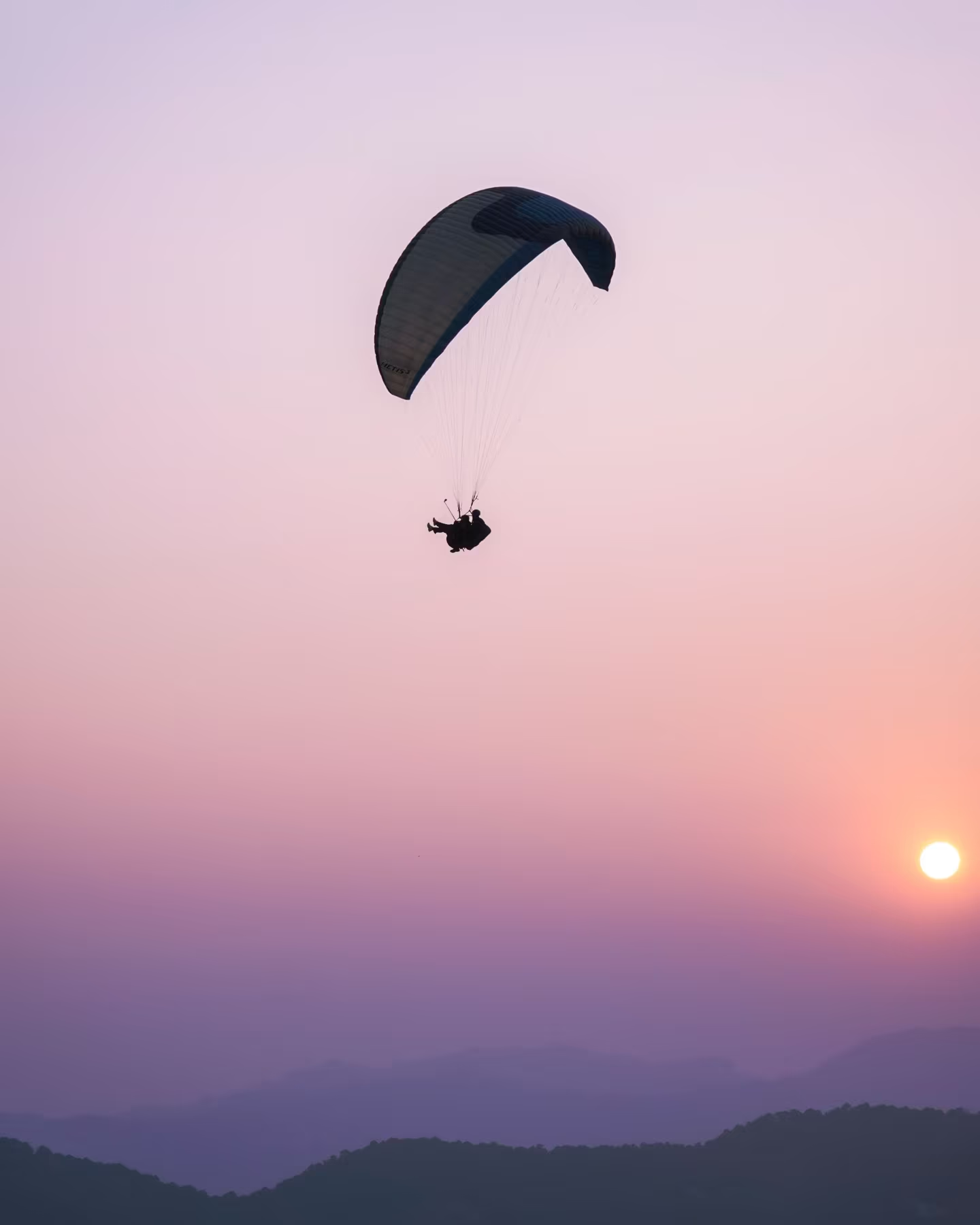
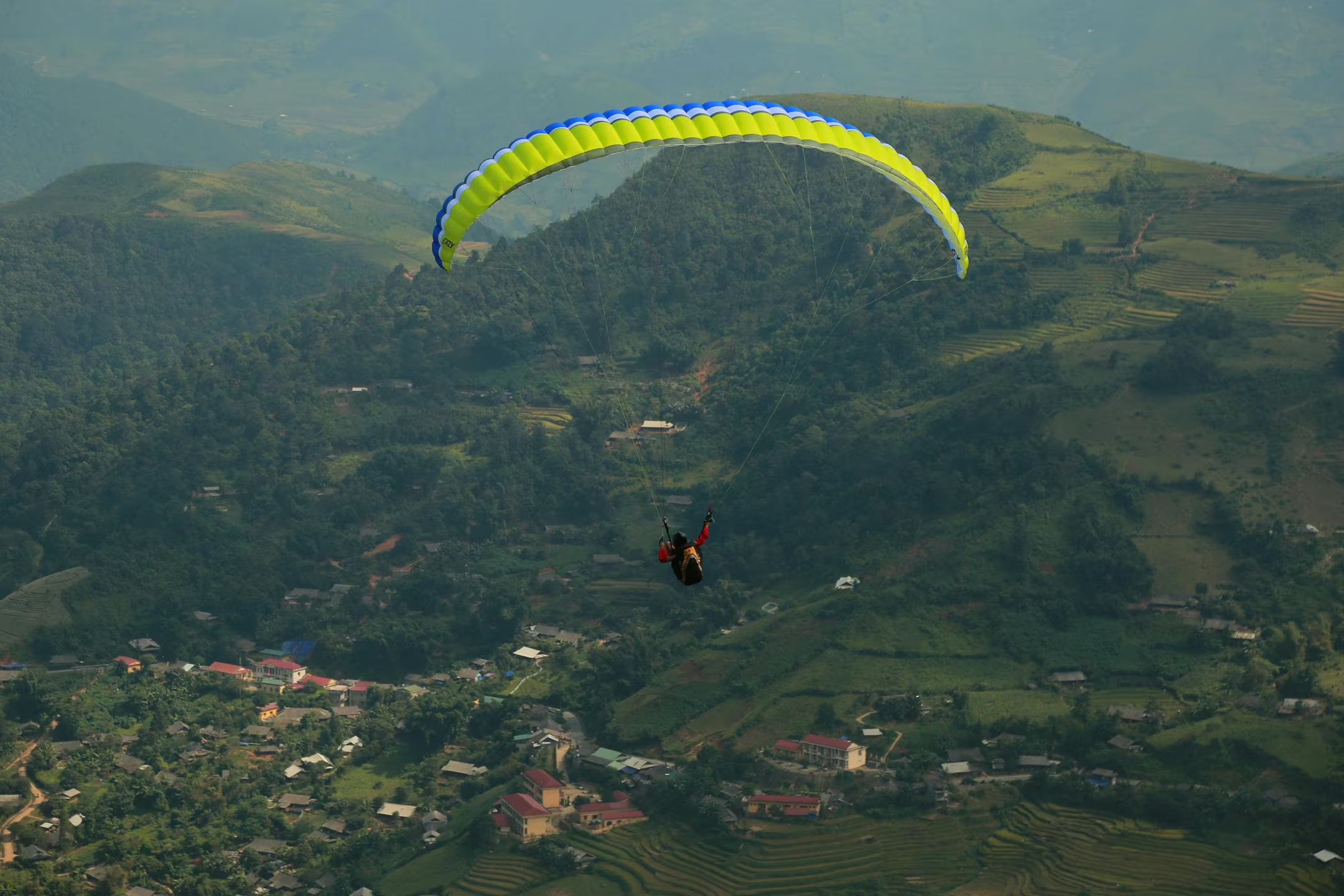
Every flight is tandem — you are clipped to a licensed pilot who handles everything. After a short briefing you take a few running steps, the wing lifts, and Pokhara spreads out a kilometer below your feet.
Why This Trip Works
It is the easiest 'big' adventure in Nepal: a half-day commitment, zero skill required, and a memory that tops most travelers' whole trip.
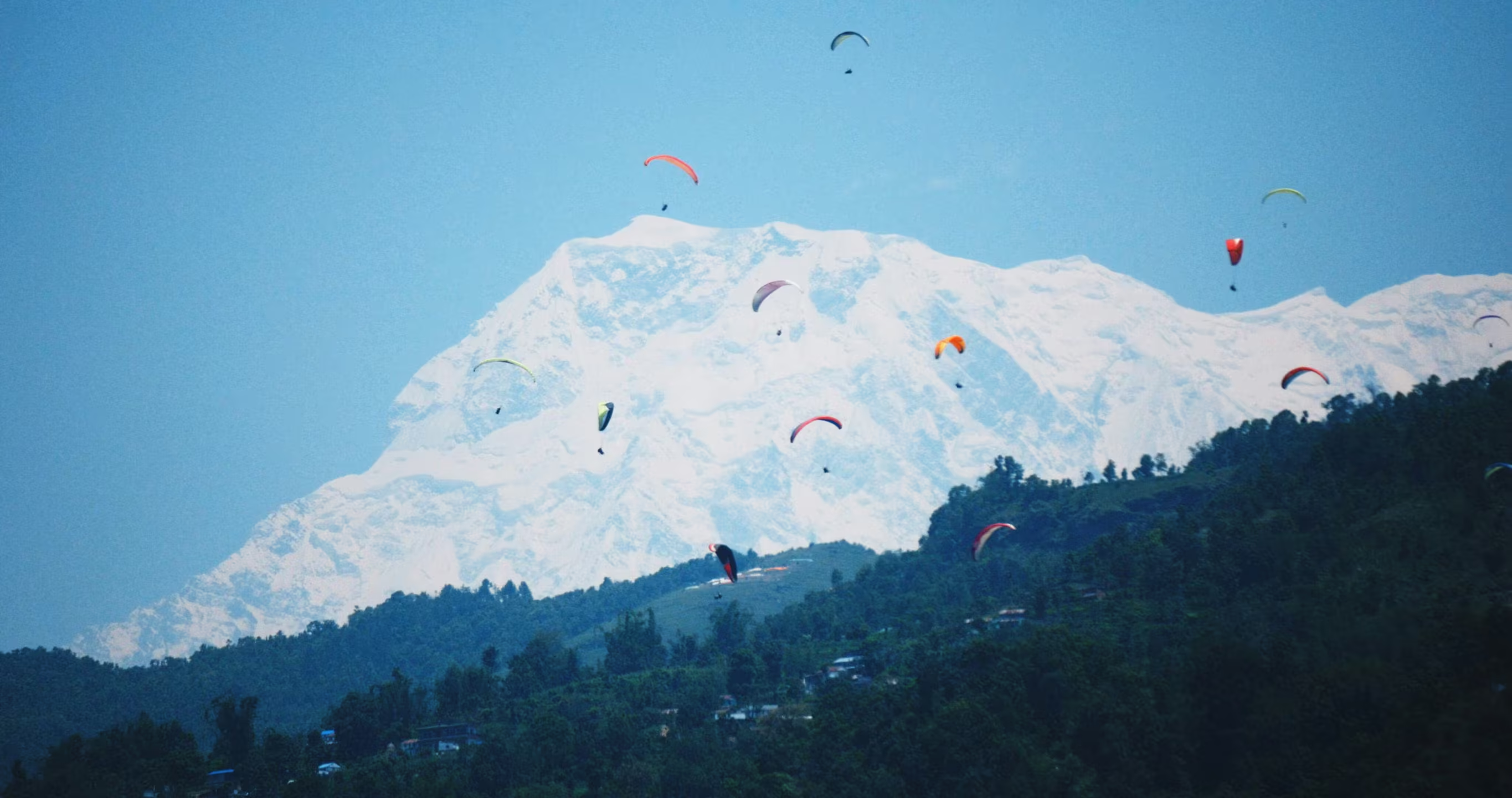
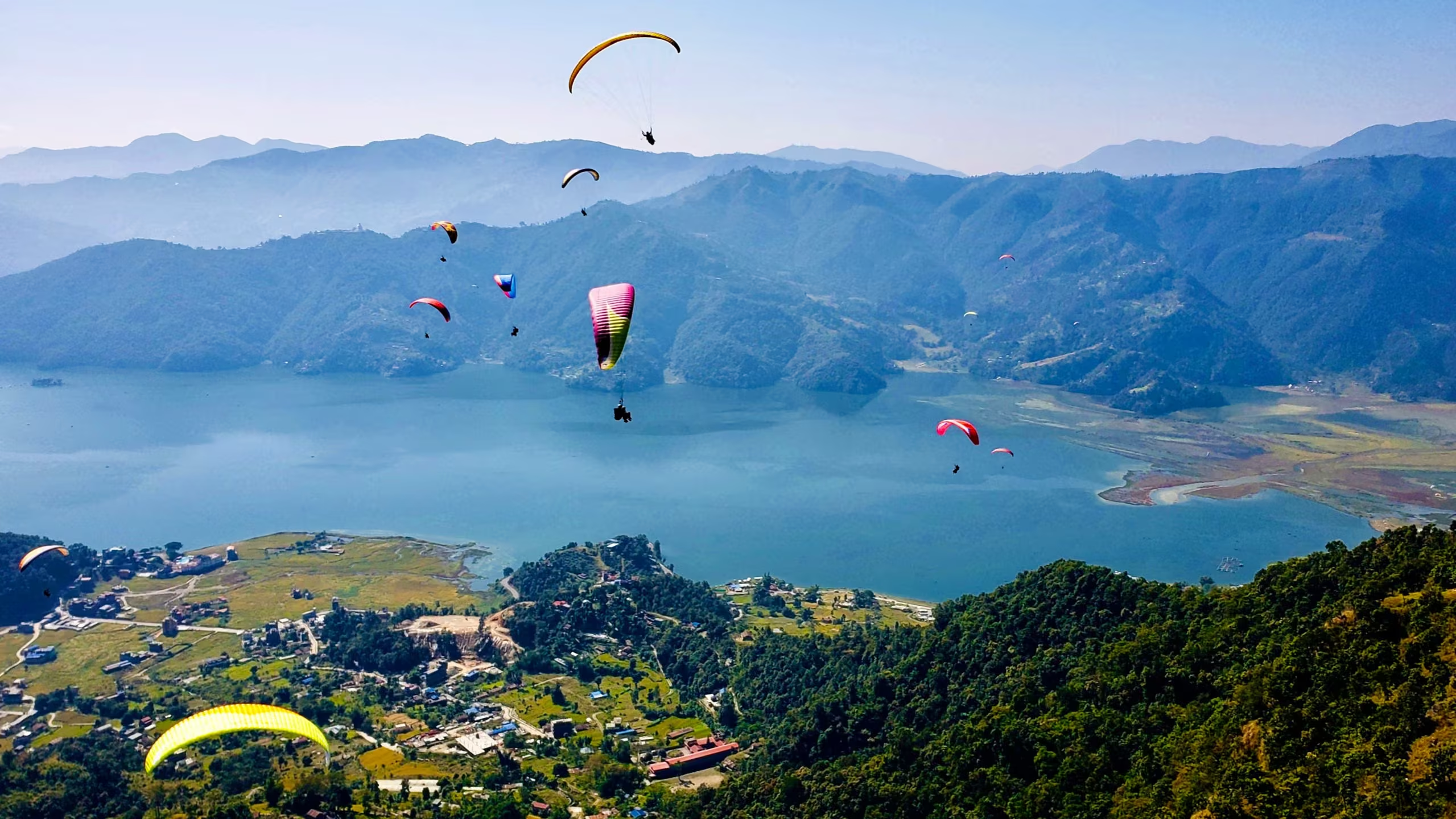
The scenery ratio is unbeatable — Machhapuchhre and the Annapurnas above, Phewa Lake glittering below, hawks and fellow gliders riding the same thermals beside you.
Flights run morning to midday almost daily in season, so it slots into a Pokhara stay, a workcation week, or the celebration after a trek.
Highlights
- Tandem flight with a licensed, experienced pilot
- Launch from Sarangkot at 1,600 m
- 20–40 minutes airborne over Phewa Lake
- Annapurna and Machhapuchhre panoramas
- Optional in-flight photo and video package
- Lakeside landing and certificate
Suggested Itinerary
Morning
Pickup & drive to Sarangkot
Hotel pickup, the winding drive up the launch hill, and your pilot briefing.
Mid-morning
Launch & flight
A few running steps and you are airborne — 20–40 minutes riding thermals over the valley, longer on cross-country upgrades.
Midday
Lakeside landing & debrief
Land beside Phewa Lake, collect your photos and video, and walk back to a café brunch.
In Photos
Who This Trip Is Best For
- First-time adventure travelers
- Couples
- Group trips
- Photography lovers
- Workcation guests
Difficulty & Preparation
No experience or fitness requirement beyond a few running steps at takeoff — your pilot manages the wing, the thermals, and the landing.
Weight limits are roughly 20–100 kg per passenger; tell us in advance if your group sits near either end.
Wear closed shoes and a light jacket: it is cooler at altitude, even on warm days. Motion-sensitive flyers should take it easy on breakfast.
Best Season
- October–April: the prime window — reliable thermals and the clearest mountain views.
- November and December: the most stable air and razor-sharp Himalayan panoramas.
- May–September: flights run in weather windows; monsoon mornings can still be lovely, but we keep plans flexible.
Customization Options
- Cross-country upgrade for 45–60 minutes of flight time
- Photo/video package shot from your pilot's wing-mounted camera
- Group bookings with simultaneous launches
- Combine with the Sarangkot sunrise for one early start
- Add zip-lining or an ultralight flight the same day
What's Included
- Hotel pickup and drive to the Sarangkot launch site
- Tandem flight with a licensed, insured pilot
- All flight equipment and safety briefing
- Return transfer from the landing zone
- 24/7 local support
What's Not Included
- Photo and video package (optional, paid to the pilot)
- Travel insurance covering aerial activities (required)
- Personal expenses and tips
Frequently asked questions
Is paragliding in Pokhara safe?
Tandem flights operate under licensed companies with certified pilots, many flying this valley for decades. Weather rules are conservative — if conditions are not right, flights wait or reschedule, and that is exactly what you want.
What if the weather cancels my flight?
We rebook you into the next available window at no cost, or refund the flight in full if your schedule cannot flex. Mornings reschedule most easily.
Can I fly if I'm afraid of heights?
Most nervous flyers report the fear vanishing seconds after launch — there is no edge to look over, just a seat in the open sky. Tell your pilot; they will fly the calmest possible line.